The importance of taking big goals one step at a time is a lesson etched deeply into my life,
- Activeedu Server
- Jan 21
- 4 min read

I am Nosipho Hani Khumalo—writer, speaker, consultant in mental health, writing, and youth development, South African National Youth Ambassador, and founder of initiatives that seek to empower young people. Among my proudest achievements is authoring and publishing my book, Healing Through Literature, a work that explores literature as a pathway to trauma recovery and personal healing. This book did not appear overnight. It emerged from years of small, deliberate steps amid doubt, busy schedules, and the emotional weight of carrying a revolutionary name. In this essay, I reflect on why big goals—whether writing a book, building a career in advocacy, or transforming society—demand patience and incremental progress. Using the process of writing my book as a lived example, I argue that true accomplishment lies not in dramatic leaps but in consistent, courageous forward movement.
Big goals often feel overwhelming because they represent a vast distance from where we stand. When I first conceived the idea for Healing Through Literature, the vision was ambitious: to create a resource that combines literary analysis with practical tools for healing trauma, drawing from African experiences, global stories, and my expertise in mental health.
The end product—a published book launched in Johannesburg, discussed on radio, available on Amazon, and even inspiring a Bookarazzi Book Club workbook series—seemed distant, almost impossible. I remember sitting with a blank notebook, heart racing at the thought of structuring chapters, researching texts, weaving personal anecdotes about loss and resilience, and ensuring the work honored both my grandfather's fight for justice and the silent struggles of today's youth. The goal felt mountainous. Yet, as I have learned through this and other pursuits, mountains are climbed one foothold at a time.
The first principle is breaking the goal into manageable pieces. Instead of fixating on "write a book," I started with smaller, achievable actions. I committed to writing 300 words a day—sometimes just a paragraph reflecting on a poem's emotional impact or jotting notes on how Chimamanda Ngozi Adichie's stories mirror South African trauma. On tough days, when consultancy work, speaking engagements, or youth mentorship drained me, those 300 words became 100, or even a single sentence. The key was showing up consistently. Over months, these fragments accumulated into outlines, then draft chapters. This mirrors advice I give young people: dream big, but act small. A degree, a business, or social change starts with one application, one client pitch, or one community meeting. My book began not with inspiration striking like lightning, but with routine discipline—sitting at my desk after long days, even when exhausted.
Consistency builds momentum and confidence. Early on, I doubted my voice. As Chris Hani's granddaughter, expectations loomed large—some saw me only through his shadow, others questioned my credentials. Writing felt exposing; every word risked judgment. But each completed section proved I could do it. Finishing the first chapter on trauma in South African literature gave me proof of progress. Celebrating small wins—printing the draft, sharing excerpts with trusted friends, or completing a research section—fueled motivation. Psychologically, this aligns with what experts call "small wins theory": incremental achievements release dopamine, reinforcing the habit loop. In my case, these wins sustained me through revisions, where I tore apart sentences, restructured arguments, and incorporated feedback. The book evolved because I didn't wait for perfection; I iterated one edit at a time.
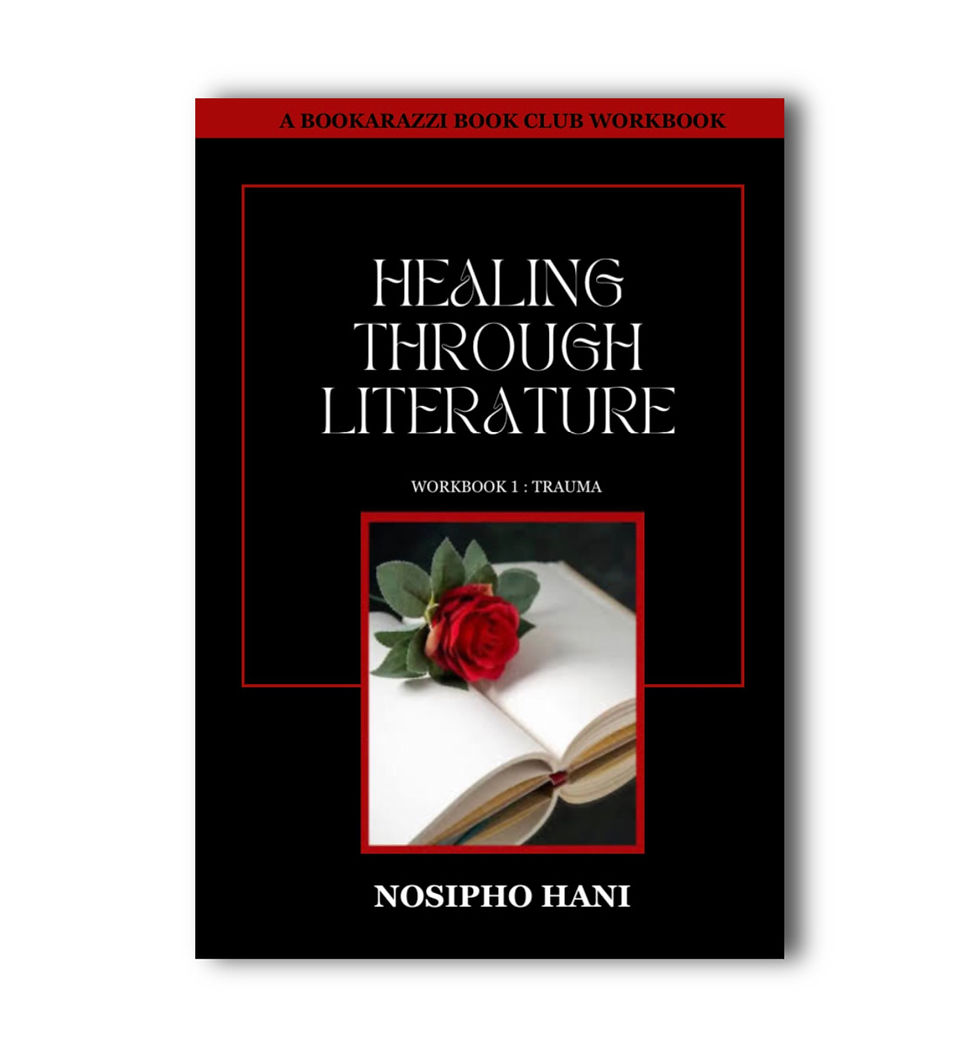
Overcoming obstacles requires this stepwise approach. Writing Healing Through Literature faced interruptions: the demands of running Hani Youth Development, launching online book clubs, handling media as a youth ambassador, and navigating personal grief tied to family legacy. There were periods of burnout, when mental health work reminded me of my own vulnerabilities. Instead of abandoning the project, I paused and resumed gently—perhaps reading one relevant book or outlining a single subsection. This prevented paralysis. Big goals invite setbacks—rejections from potential publishers, self-doubt during edits, or external crises like the lingering effects of the pandemic on focus. The antidote is persistence through micro-steps. I remind myself of my grandfather's discipline: as a leader in exile and underground, he advanced liberation not through one grand act but through daily organizing, studying, and strategizing.
Patience transforms the journey itself. Rushing leads to burnout or superficial work. When I hurried sections, the prose felt forced, lacking the empathy I aimed to convey. Slowing down allowed depth—exploring how literature heals by connecting readers to shared human experiences. The final book reflects this patience: thoughtful, layered, and authentic. Patience also fosters growth. Each step taught me—about structure, voice, resilience. I became a better writer, consultant, and advocate. Young people I mentor often rush toward success, wanting instant impact. I share my book story: it took years from idea to launch in 2024 at venues like the Johannesburg Holocaust and Genocide Centre and Issy's Coffee. The launches were joyful, but the real reward was the process—watching an idea mature through steady effort.

This principle extends beyond writing. In youth development, we don't eradicate inequality overnight. We start with one mentorship session, one resource drive, one workshop on mental health. In advocacy, policy change comes from persistent small actions—submissions, dialogues, coalitions. My grandfather embodied this: his contributions to the anti-apartheid struggle built on countless meetings, trainings, and sacrifices. Big goals demand endurance, and endurance comes from breaking them down.
Moreover, taking steps one at a time preserves mental and emotional health. The pressure of "big" can trigger anxiety, especially for youth facing unemployment or societal expectations. By focusing on today's task—today's page, today's outreach—I protect my well-being. In mental health consulting, I emphasize this: progress, not perfection. My book process reinforced self-compassion—forgiving missed days, celebrating consistency.
Ultimately, big goals realized incrementally honor the journey's value. Healing Through Literature is more than a product; it's evidence that ordinary, consistent effort yields extraordinary results. Readers now use it for healing, book clubs discuss its themes, and it inspires others to write their stories. This fulfillment stems from every small step taken.
In closing, as Nosipho Hani Khumalo, carrying forward Chris Hani's undying spirit, I urge: embrace big dreams, but pursue them humbly, one step at a time. Whether your goal is authoring a book, leading change, or personal growth, start small, stay consistent, celebrate progress, and persist through obstacles. The summit arrives not by wishing, but by walking. My book stands as proof: what begins as a single sentence can become a legacy of healing and hope.


Comments